Diagnostic guide
Aluminum Wiring Hazards and Insurance Solutions
Last reviewed · Reviewed by the Pro Electrician technical team
Short answer
Single-strand aluminum wiring installed between 1965 and 1976 expands and contracts significantly under electrical load, loosening connection screws and causing hazardous arcing. The Consumer Product Safety Commission approves permanent remediation using AlumiConn mechanical lugs or COPALUM crimping.
Why Aluminum Wiring Fails Over Time
During the copper shortages of the late 1960s and 1970s, aluminum branch wiring was widely installed in homes across Spring Hill by the Deltona Corporation. However, aluminum has physical properties that make it hazardous when connected to standard outlets: high thermal expansion (creep), galvanic corrosion when touching brass, and the formation of non-conductive aluminum oxide.
- Aluminum expands 55% more than copper when carrying electrical current
- Thermal cycling loosens terminal screws, creating high-resistance micro-arcing
- Aluminum oxide is an electrical insulator that generates extreme heat behind wall plates
Florida Four-Point Insurance Inspection Denial
Florida insurance underwriters routinely refuse to issue or renew homeowners insurance on properties with un-remediated aluminum branch wiring. Standard wire nuts and purple twist-on connectors are rejected by safety standards. Homeowners must provide certified documentation of approved remediation to secure coverage.
The CPSC-Approved AlumiConn Remediation Method
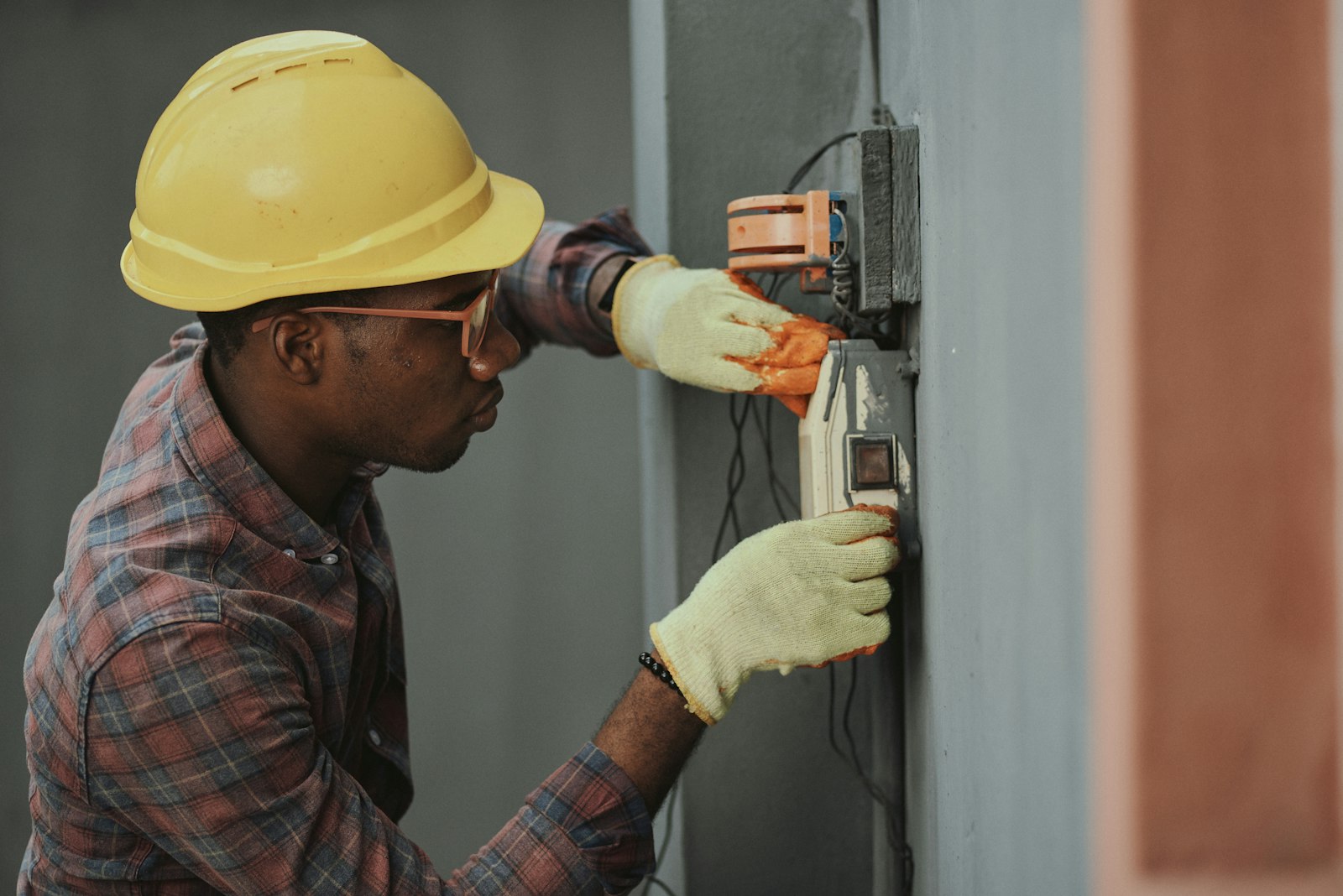
Complete home rewiring is expensive and destructive to drywall. The CPSC approves mechanical pigtailing using King Innovation AlumiConn lugs. Each device box is opened, conductors are separated into individual ports coated with anti-oxidant gel, a copper pigtail is attached, and screws are torqued with calibrated instruments.